The Power of Rural: How Two Physicians Are Bringing Cancer Care Closer to Home
From rural Kentucky to the mountains of West Virginia, two gynecologic oncologists are finding ways to overcome barriers to care and empower patients.
For some patients, seeing a cancer specialist means driving several hours. For others, winding mountain roads, limited internet access, and transportation challenges can make getting care even harder.
But rural healthcare is about more than distance. It’s about the strength of communities, the dedication of healthcare professionals, and the partnerships that help patients receive the care they need.
This National Rural Health Day, November 19, the Foundation for Women’s Cancer celebrates the Power of Rural by highlighting two gynecologic oncologists working to improve access to care: Lynn Parker, MD, of Norton Cancer Institute in Kentucky, and Krista Pfaendler, MD, of West Virginia University.
Different Communities, Different Challenges
Having grown up in rural Southern Illinois, Dr. Parker understands the importance of accessible healthcare. She spent eight years traveling monthly to Madisonville, Kentucky, to provide specialized gynecologic oncology care.
Today, she continues working with providers who serve rural Kentucky communities, where patients may travel three or four hours for treatment.
For many, the first challenge is getting a diagnosis. Limited access to gynecologists and specialists can delay evaluations, while transportation costs, missed work, and childcare responsibilities create additional barriers.
In mountainous West Virginia, Dr. Pfaendler encounters similar challenges, but geography adds another layer of difficulty.
Some patients travel up to five hours to reach specialized care. Mountain roads and unreliable internet connections can make both in-person and virtual appointments difficult.
She recalled patients driving to church or school parking lots just to access Wi-Fi for telehealth visits.
These experiences highlight why improving rural healthcare requires solutions tailored to each community.
Finding Ways to Bring Care Closer
Despite these challenges, both physicians are working to make cancer care more accessible.
Dr. Parker emphasizes collaboration between rural healthcare providers, specialists, and support teams. Her team coordinates appointments, helps patients navigate referrals, and connects them with resources for transportation and lodging when available.
“It really takes a community to help people get the care they need,” Dr. Parker said.
For Dr. Pfaendler, improving access often means reducing unnecessary travel. Her team coordinates imaging and appointments during the same visit, uses telehealth when appropriate, and partners with local gynecologists to help patients receive certain aspects of care closer to home.
“I think there are a lot of modifications that we’ve done to try to meet people where they are as best we can,” she explained.
These approaches demonstrate how healthcare professionals are adapting to meet the needs of rural patients.
Knowledge Is Power: Helping Patients Advocate for Their Health
Beyond improving access to treatment, both physicians emphasize the importance of education and early action.
Dr. Parker encourages patients to recognize warning signs and speak up when something doesn’t feel right.
“I would really want them to be aware of symptoms and to advocate for themselves if those symptoms are present,” she said.
Dr. Pfaendler believes open conversations about reproductive health can help patients overcome misconceptions and recognize when they need medical attention.
“Knowledge is power, as we all know. So helping women help themselves,” she shared.
Both physicians encourage patients to discuss concerning symptoms with their healthcare providers, including abnormal bleeding, persistent bloating, and ongoing pelvic pain.
These symptoms do not always mean cancer, but they deserve medical attention.
Knowing your body, asking questions, and seeking care when something changes are important steps toward protecting your health.
The Power of Rural
From rural Kentucky to the mountains of West Virginia, Dr. Parker and Dr. Pfaendler demonstrate what the Power of Rural looks like in action.
It’s a local provider connecting a patient with a specialist. A care team coordinating appointments to reduce travel. A conversation that helps someone recognize a warning sign and seek care.
This National Rural Health Day, FWC celebrates the healthcare professionals and communities working together to improve access to gynecologic cancer care.
Because where you live should never determine whether your health concerns are heard.
Learn more about gynecologic cancer symptoms, prevention, and patient resources at foundationforwomenscancer.org.
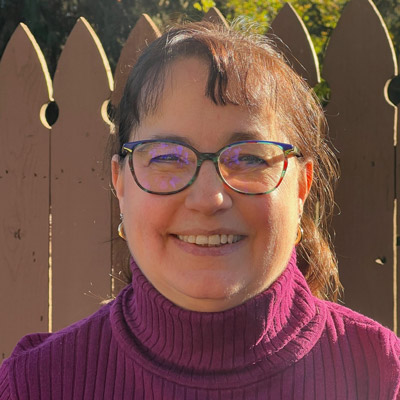
Lynn Parker, MD, of Norton Cancer Institute in Kentucky
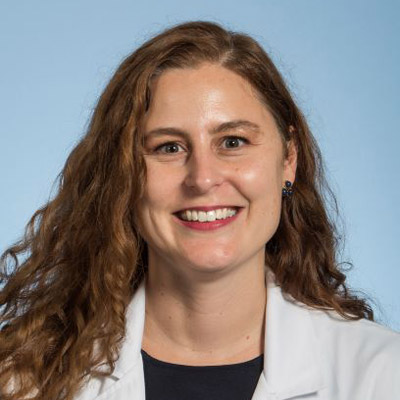
Krista Pfaendler, MD, of West Virginia University