Supporting LGBTQ+ Patients Through Gynecologic Cancer Care: Honoring Pride Month with Inclusive, Affirming Support
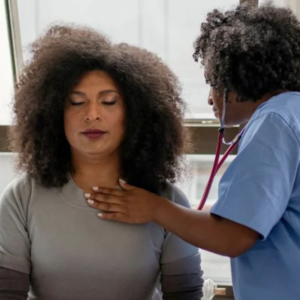
Gynecologic cancers don’t discriminate, but access to compassionate, affirming care isn’t always accessible to many patients. For LGBTQ+ patients, navigating a gynecologic cancer diagnosis can come with unique challenges, ranging from a lack of provider understanding to fear of stigma or misgendering in clinical settings.
In honor of Pride Month, we’re spotlighting the specific needs of LGBTQ+ individuals facing gynecologic cancers and offering guidance for navigating care with confidence and self-advocacy.
What LGBTQ+ Patients Should Know
You are not alone. LGBTQ+ people are diagnosed with gynecologic cancers, and your experience matters. You deserve providers who understand and respect your identity, whether you are cisgender, transgender or nonbinary.
Disclosing your gender identity, sexual orientation, or pronouns can help your care team provide the most accurate and affirming care, but it should always be your choice and done in a space of trust.
Studies show that LGBTQ+ patients are more likely to delay care or experience discrimination in healthcare settings. That makes self-advocacy and access to informed providers especially important. “Many people in the LGBTQ+ community do not see a gynecologist regularly due to negative experiences or the misconception that they do not need regular gynecologic care,” Al, Asante Facey, PA-C, MBA, Associate Director of Advanced Practice Providers at Memorial Sloan Kettering Cancer Center, said. “It is important to see a gynecologist every year, even if you are feeling well.”
Steps You Can Take Proactively
- Seek out affirming providers. Look for cancer centers or gynecologic oncologists who have explicit commitments to LGBTQ+ inclusion or have experience working with diverse patients. Don’t be afraid to ask about their approach to LGBTQ+ care. The National LGBT Cancer Network’s provider database is a helpful resource to find safe and affirming cancer screening and treatment providers.
- Bring a trusted support person. Whether a partner, friend, or chosen family member, having someone with you can help you feel safer, catch important information, and advocate on your behalf if needed.
- Use your voice. Share your pronouns and name with your care team and correct them if needed. A provider committed to your well-being will welcome respectful feedback and adjust accordingly.
- Get everything in writing. If possible, request summaries of appointments, test results, and treatment plans. This helps with clarity, and it gives you a paper trail in case you need to transition to a different provider.
Once You’ve Been Diagnosed
- Find an LGBTQ+ cancer support group or network. Connecting with others who share aspects of your identity can reduce isolation and help you process your diagnosis in an affirming space.
- Talk to your team about fertility, sexual health, and body changes. These conversations may feel awkward, but they are crucial. LGBTQ+ patients often have distinct needs and questions that deserve clear, respectful answers.
- Advocate for inclusive language in your medical records. Ask your care team to use gender-neutral or identity-affirming terms when referring to you or your body, especially in your treatment plan or records.
- Know your rights. You have the right to respectful, nondiscriminatory care. If you experience bias or mistreatment, consider reporting it to the hospital’s patient advocate or LGBTQ+ liaison, if available.
You Belong Here
Pride Month is a time to celebrate identity, love, and resilience, but for many LGBTQ+ individuals living with gynecologic cancer, it’s also a time to call for visibility and change. “In our current political climate, its important to remember that joy is a form of resistance,” Al Asante-Facey, PA-C, MBA, reminds patients. “Taking care of yourself and your community makes a difference.” The cancer journey can be physically and emotionally demanding, and no one should have to navigate it while also educating others about who they are. You deserve care that affirms you, treats your cancer, and honors your identity.